
Introduction
The publishing industry has been radically altered in the digital era. Traditional print media is increasingly sharing the spotlight with electronic publication, providing unparalleled access and reach. While the digital revolution has created incredible opportunities for authors, it has also raised serious ethical questions in e-publishing.
E-publishing ethics, which include concerns like plagiarism, copyright, and fair use, have become critical. We will delve into these ethical quandaries in this essay, providing insights, rules, and real-world examples to help e-publishers, writers, and content producers navigate the complicated terrain of digital publishing.
Plagiarism in E-Publishing

Plagiarism, or presenting someone else’s work as your own, is still a difficult topic in the world of e-publishing. The digital world’s ease of copying and pasting has increased the temptation to steal information without proper acknowledgment. To uphold e-publishing ethics:
- Reference Your Sources: When you draw inspiration from another work, make sure you properly reference it. Text, photos, and even data are all examples of this.
- Use Plagiarism Detection programs: To cross-check your material, use plagiarism detection programs. There are several internet tools that can assist you in identifying probable instances of plagiarism.
Copyright Ethics
Copyright is the legal principle that all works—art, literature, photographs, music, and so on—belong to the creators. Copyright law states that whatever creative work you produce and record in a permanent manner is your intellectual property. This implies that others cannot legally replicate your work and claim it as their own. They, too, cannot profit from what you build.
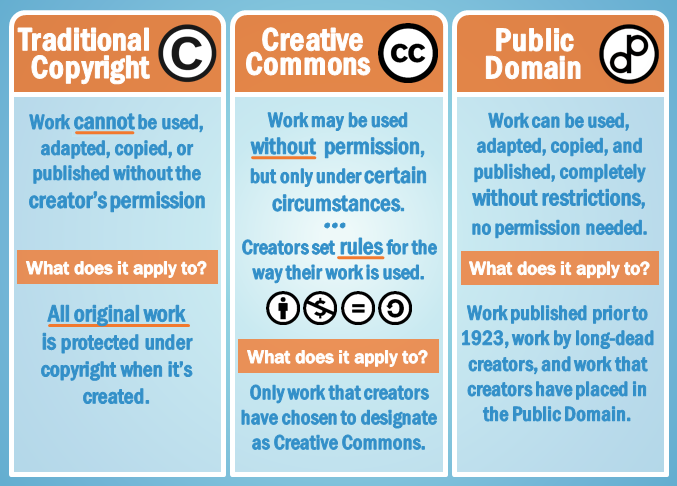
To use, duplicate, or change a copyrighted work, you must first get permission from the owner of the copyright. This is referred to as a license. Even while everyone may demand that others respect their intellectual property and seek permission to use their work, some individuals and organizations want to license their material more freely. They do this by granting their work a Creative Commons license or by placing it in the Public Domain.
Copyright laws are intended to safeguard content creators’ intellectual property rights. Understanding these laws is critical in e-publishing:
- Understand the Fundamentals: Learn about copyright rules in your region and throughout the world. When content is developed, it is usually protected by copyright.
- Get Permissions: If you want to use copyrighted content, you must first get permission from the owner or author. This is true for anything from song lyrics to pictures.
Fair Use Guidelines
Fair use is a copyright law notion that allows for limited use of copyrighted content without permission from or payment to the copyright owners. While fair use allows for certain flexibility, it is not a free pass. To use it ethically:

- The majority of the stuff you share must be original to you: Assume you discovered a great instructional that you want to post on your site. Fair Use would allow you to include one tip from the tutorial. Even if you linked to the original source, including the complete instructional would not be Fair Use.
- Give acknowledgment to the owner of the copyright: To be considered Fair Use, you must provide full credit to the individual who produced it. This contains the name of the creator and other information that will assist people in locating the original work or source. For example, if you’re sharing and commenting on a picture from a newspaper’s website, attach a link to the original narrative.
- Don’t profit from the copyrighted work: In general, claiming Fair Use is more easier when utilizing copyrighted content for nonprofit purposes. While sharing photographs of your favorite television episodes with amusing comments and commentary may be allowed Fair Use, selling such images on T-shirts is not. Making money from your blog’s advertisements might potentially limit your ability to claim Fair Use.
Recognize the Four Factors: The aim and character of the use, the nature of the copyrighted work, the amount and substantiality of the piece used, and the effect on the market are the four considerations that constitute fair use. Consider these variables carefully.
- Appropriate acknowledgment: Even when employing content under fair use, adequate acknowledgment is recommended. This demonstrates your dedication to e-publishing ethics.
Concluding Thoughts
Adherence to ethical norms is critical in the ever-changing world of e-publishing. Plagiarism, copyright, and fair use principles are pillars of ethical e-publishing, guaranteeing that writers, e-publishers, and content producers respect others’ intellectual property while encouraging innovation and creativity.

We at Oriental Solutions, E-publishing company in India, can jointly contribute to an ethical and healthy digital publishing ecosystem by learning and practicing these e-publishing ethics. As a result, we safeguard the integrity of e-publishing and promote the ideals of honesty, openness, and intellectual property rights in our digital world.
Join Oriental Solutions in promoting ethical e-publishing for a digital world built on integrity and respect.
13 Responses